
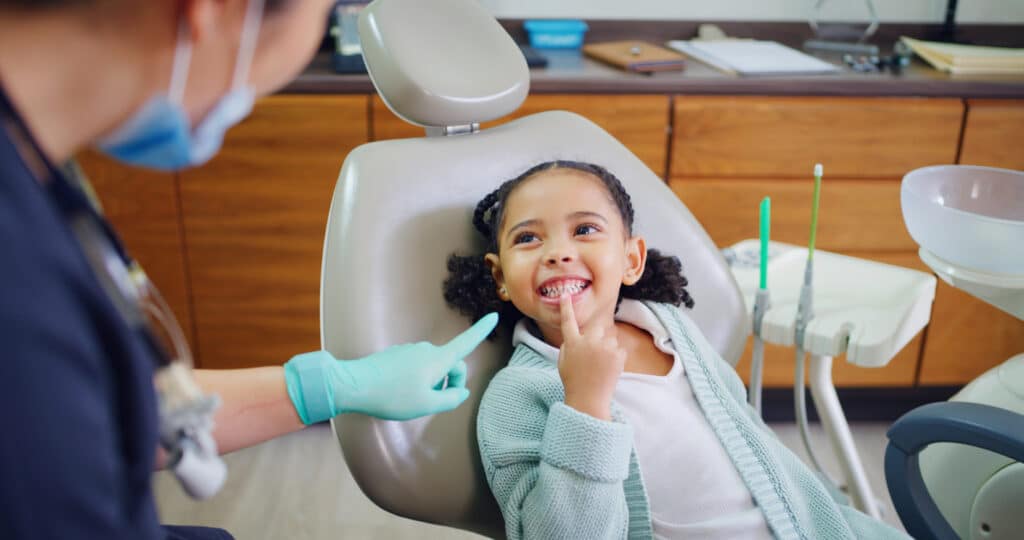
A pediatric dental cleaning is a specialized preventive treatment specifically created for infants, children, and teenagers. We use this process to safely remove plaque from baby teeth and to apply safe children’s fluoride to help protect the developing enamel. We also use behavioral techniques to help the young patients develop positive oral hygiene habits that will last a lifetime. Additionally, medical literature supports that childhood is a crucial period for oral health management [1] (Park et al., 2024).
Nutrition and Your Child’s Teeth: The Role of Diet in Preventing Cavities
Packing lunches and dealing with snacks is one of the daily chores of a busy parent. What your child eats can directly affect their primary teeth’s health. Eating sticky foods, fruit snacks, or drinking sugary beverages frequently results in a more acidic environment in the mouth. This acid quickly destroys young enamel. We do not judge your family’s snack choices at Goldsboro Family Dental. Instead, we partner with you to find realistic, easy swaps. Suggest that your child drink water after meals and choose crunchy fruits or cheeses that naturally help clean the teeth throughout the school day. Clinical evidence supports that a diet filled with vegetables, fruits, and wholegrain starches prevents chronic diseases including dental caries and periodontal infections [2] (Tungare et al., 2023).
From Toddlers to Teens: Guiding Your Child's At-Home Brushing Routine
Your involvement in your child’s brushing routine changes as they grow. For toddlers, you are the primary brusher, ensuring every tooth gets cleaned twice a day. Medical evidence indicates that toothbrushing habits are associated with oral health status for children in preschool [3] (Khan et al., 2021). As your child reaches preschool age, they will naturally want to brush all by themselves. This transition is exciting but can leave plaque behind. We highly recommend the “you brush first, then I finish” technique. Let them practice their independence, but always go behind them to catch the hard-to-reach back molars. You should assist with brushing until they are around eight years old and have the fine motor skills to brush effectively on their own.
Protecting Active Smiles: Custom Mouthguards for Wayne County Student-Athletes
Whether your child is playing youth soccer at a local park or gearing up for a high school basketball season near the Highway 70 corridor, protecting their teeth is a top priority. Dental emergencies from sports injuries are common but highly preventable. During your child’s routine cleaning, we can evaluate them for a custom-fitted athletic mouthguard. Unlike bulky, uncomfortable store-bought options, a custom mouthguard fits precisely to your child’s unique bite. This ensures they can breathe easily, speak clearly to their teammates, and keep their natural smile safe from unexpected impacts.
Pediatric vs. Adult Cleanings: Understanding the Differences
Your child’s dental needs change rapidly as they grow. Knowing what to expect at each stage helps you manage their care effectively.
Treatment Type | Cost Estimate (Without Insurance) | Durability / Frequency | Maintenance Level |
Toddler “Happy Visit” (Ages 1-3) | $50 – $90 | Every 6 Months | Low (Parent-led brushing and diet control) |
Child Routine Cleaning (Ages 4-12) | $80 – $120 | Every 6 Months | Moderate (Transitioning to independent brushing, mixed dentition) |
Adult Routine Cleaning | $100 – $150 | Every 6 Months | Low to Moderate (Standard daily brushing/flossing) |
Monitoring Oral Habits: Thumb Sucking, Pacifiers, and Early Orthodontics
Many parents worry about how long their baby uses a pacifier or sucks their thumb. These self-soothing habits are perfectly normal in the early years. However, if they continue past age three or four, they can begin to shift the alignment of the jaw and emerging permanent teeth. During your child’s six-month preventive visit, our team closely monitors these oral habits. We offer gentle, positive reinforcement strategies to help your child transition away from pacifiers. If we spot early signs of crowding or bite issues, we will map out a proactive plan, so you know exactly what to expect in the coming years.
Making Dental Care Fun: Simple Tips for the Practical Parent
Getting your kids to brush before bed should not feel like a wrestling match. Turning oral hygiene into a fun, shared activity significantly reduces nighttime friction. Try playing their favorite two-minute song on your phone to act as a brushing timer. You can also let them pick out their own toothbrush featuring a favorite character or a fun-flavored, child-safe toothpaste. We often remind our young patients that they are the “superheroes” fighting off the sugar bugs. When you keep the energy light and positive at home, your child will look forward to keeping their teeth healthy.
FAQs
1. Are dental cleanings safe for kids at Goldsboro Family Dental?
Yes, they are exceptionally safe. We use specialized, soft-bristled rotary tools designed specifically for smaller mouths and thinner enamel. Furthermore, any preventive treatments, such as fluoride varnish, are applied in highly controlled, age-appropriate doses that are perfectly safe for your growing child.
2. At what age should my child have their first professional cleaning?
We recommend bringing your child in for their first visit by their first birthday, or within six months of their first baby tooth coming in. These early visits are usually quick “happy visits” that allow your child to get used to the chair and the environment while we do a gentle sweep of their new teeth.
3. What if my toddler refuses to sit still for the hygienist?
Our team is highly trained in pediatric behavior management. We use fast, efficient techniques, positive reinforcement, and engaging distractions. If your child is very young or nervous, we often have them sit right in your lap during the cleaning so they feel totally secure.
References
[1] Park, S. A., Lim, J. N., & Lee, J. Y. (2024). Evaluation of the Effectiveness of Children’s Dental Care Programs: A Retrospective Study. Healthcare (Basel, Switzerland), 12(7), 721. https://doi.org/10.3390/healthcare12070721
[2] Tungare S, Paranjpe AG. Diet and Nutrition to Prevent Dental Problems. [Updated 2023 Jul 10]. In: StatPearls [Internet]. Treasure Island (FL): StatPearls Publishing; 2026 Jan-. Available from: https://www.ncbi.nlm.nih.gov/books/NBK534248/
[3] Khan, I. M., Mani, S. A., Doss, J. G., Danaee, M., & Kong, L. Y. L. (2021). Pre-schoolers’ tooth brushing behaviour and association with their oral health: a cross sectional study. BMC oral health, 21(1), 283. https://doi.org/10.1186/s12903-021-01643-8