
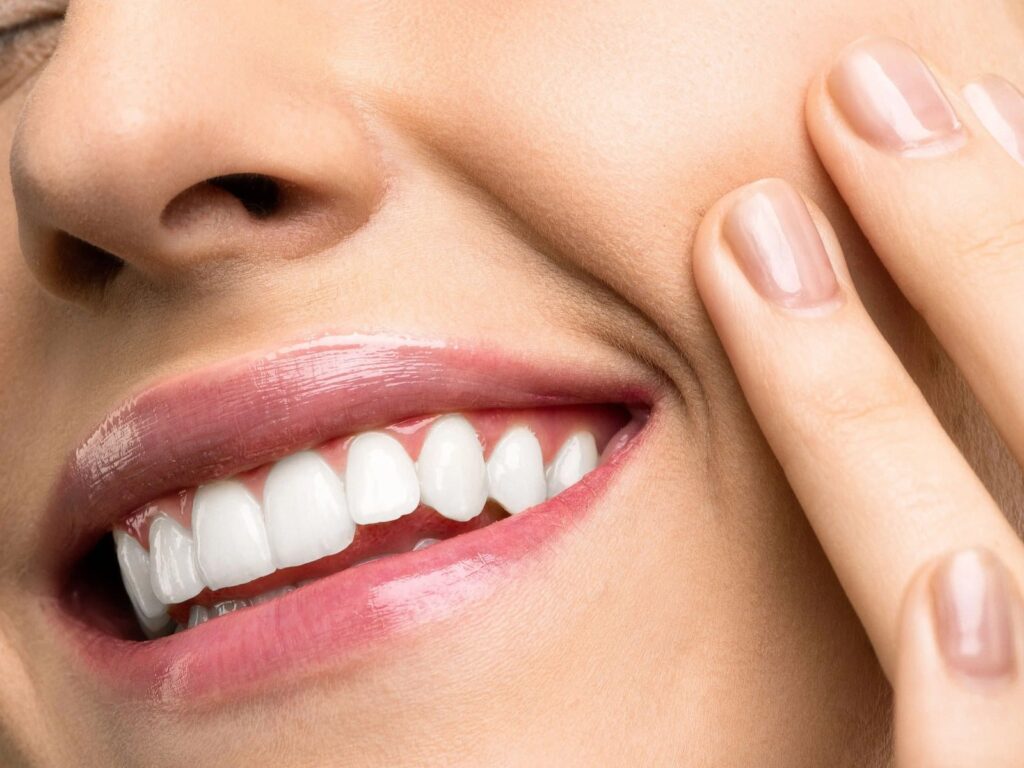
A front tooth filling at Goldsboro Family Dental is a type of specialized restorative dental treatment that is used to repair cavities, chips, or small cracks on your visible front teeth. A high-tech composite resin that is tooth-colored is used by dentists. It is sculpted, bonded and polished to match your natural enamel. Medical literature supports that Resin composites are the preferred material for direct tooth restoration [1] (Karntiang et al., 2026).
Maximizing the Lifespan of Your Composite Resin Filling
Clinical evidence supports studies where it was foundthe mean survival rate of composite anterior restorations was 4.8 years [2] (Collares et al., 2017). Modern composite resin is strong, but it is not invincible. Most front tooth fillings last between five and seven years before needing a touch-up. Your daily habits dictate exactly how long your restoration stays intact. To protect your investment, never use your teeth as tools. Do not bite your nails, chew on ice, or use your front teeth to open plastic packaging. These sharp impacts create invisible micro-fractures in the resin. If you play contact sports in Wayne County, always wear a custom athletic mouthguard. Treating your teeth with care keeps your filling secure and your smile looking pristine.
Upgrading Old Dental Work: Replacing Discolored Fillings
Do you have an old filling that looks yellow, gray, or chalky? Dental materials from a decade ago stain easily and lose their natural luster over time. You do not have to settle for a mismatched, patchy smile. Medical literature supports that The most common reason for amalgam replacement is aesthetic followed by ditching and secondary caries [3] (Al-Asmar et al., 2023). We can safely remove your old, discolored restoration and replace it with advanced composite resin. Today’s aesthetic materials are specifically engineered to reflect light just like your real enamel. In one short visit to our Goldsboro clinic, we can erase years of discoloration and instantly refresh the look of your front teeth.
Restorative Treatment Comparisons
Depending on the size of the damage, a filling might not be your only option. Here is a look at how a composite filling compares to other common front-tooth restorations.
Treatment Type | Out-of-Pocket Cost Estimate | Result Longevity (Durability) | Maintenance Level |
Composite Resin Filling | $150 – $300 | 5 to 7 Years | Low (Standard brushing and regular cleanings) |
Porcelain Veneer | $1,000 – $1,500+ | 10 to 15 Years | Moderate (Requires excellent gum health and bite protection) |
Dental Crown | $1,000 – $1,600 | 10 to 15+ Years | Low to Moderate (Requires significant removal of natural tooth structure) |
What to Expect: Managing Mild Sensitivity After Your Visit
It is perfectly normal to experience a slight twinge of sensitivity after your procedure. The nerve inside your tooth just needs a few days to calm down after the decay is removed. One can experience a short period of sensitivity when eating cold foods or drinking cold air. This mild feeling usually goes away in 48 to 72 hours. To help keep your mouth comfortable, gently brush using a desensitizing toothpaste that has potassium nitrate. If the sensitivity persists beyond a week, call our office. We can readily adjust your bite so that the filling fits firmly against your bottom teeth.
Porcelain Crown or When to Choose Resin Filling
The ideal, conservative solution to small cavities or minor chips on your front teeth is a composite filling. But in the case of a major fracture to your tooth, a filling will not be able to provide the needed structural support. When a front tooth loses more than half of its natural structure, a porcelain crown becomes the safer choice. A crown covers the tooth to hold it together so it will not break when you bite down on it. During your exam, Dr. Taylor will evaluate your particular damage and suggest the most dependable, long-term solution to safeguard your smile.
Home Care: Protecting Your Restored Smile
Taking care of your new front tooth filling is easy. You just need to maintain a focused daily hygiene routine. Brush twice a day using a soft-bristled toothbrush and a non-abrasive toothpaste. Gritty, charcoal-based, or harsh whitening toothpastes can actually scratch the surface of your composite resin, causing it to look dull. Floss daily to prevent new bacteria from attacking the hidden borders of your restoration. Finally, never skip your biannual professional cleanings. Regular polishing by our dental hygienists removes soft plaque and surface stains, ensuring your filling stays bright and blends seamlessly with your natural teeth.
FAQs
1. Will coffee or tea stain my front tooth filling?
Yes, over time. While composite resin is highly stain-resistant, it is still a synthetic material. It does not respond to traditional teeth whitening gels, and heavy coffee or tea habits can cause surface discoloration. Keeping up with your routine biannual dental cleanings is the best way to polish away these surface stains and keep your filling looking bright.
2. Can I bite into an apple after getting a front tooth filling?
While modern composite resin is very strong, your front teeth are designed for slicing, not heavy leverage. We recommend cutting hard foods like apples, raw carrots, or crusty bread into smaller, bite-sized pieces to prevent accidental chipping of your new filling.
3. Does getting a cavity filled on a front tooth hurt?
No, the procedure is very comfortable. We use targeted local anesthesia to ensure you feel absolutely no sharp sensations during the process. Because front tooth cavities are often shallow, the preparation is fast and straightforward.
References
[1] Karntiang, P., Chaimanakarn, C., Chaimanakarn, D., Niyomdee, T., & Ikeda, H. (2026). Types of Resin Composite and Filling Techniques: How They Affect Internal Void Volume and Compressive Strength. Polymers, 18(7), 885. https://doi.org/10.3390/polym18070885
[2] Collares K, Opdam NJM, Laske M, et al. Longevity of Anterior Composite Restorations in a General Dental Practice-Based Network. J Dent Res. 2017;96(10):1092-1099. doi:10.1177/0022034517717681
[3] Al-Asmar, A. A., Ha Sabrah, A., Abd-Raheam, I. M., Ismail, N. H., & Oweis, Y. G. (2023). Clinical evaluation of reasons for replacement of amalgam vs composite posterior restorations. The Saudi dental journal, 35(3), 275–281. https://doi.org/10.1016/j.sdentj.2023.02.003