
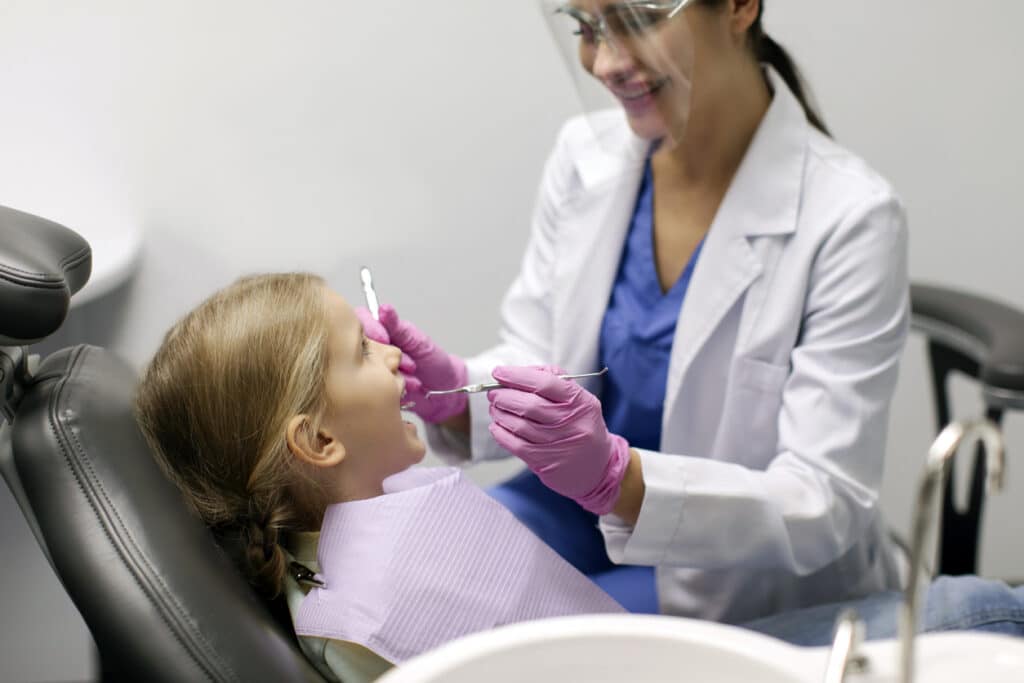
A comfort-enhanced, pain-free dental cleaning is a preventive oral care procedure at Goldsboro Family Dental that utilizes advanced ultrasonic technology, targeted topical desensitizers, and gentle sensory pacing to remove plaque without discomfort. Clinical evidence indicates that dental desensitizers are used to treat postoperative dental sensitivity [1] (Rajnekar et al., 2022). This precise approach eliminates harsh scraping, ensuring a calm, stress-free experience for patients managing tooth sensitivity or procedural fear.
Warm Water Protocols: Defeating Cold Sensitivity
If you have receding gums or thinning enamel, you already know the sharp “zing” that happens when cold water touches your teeth. For many patients, the water used during a standard dental cleaning is the most uncomfortable part of the visit. We eliminate this shock by offering customized water temperature control. By utilizing warm water during the ultrasonic scaling and rinsing phases, we keep your nerve endings calm. This simple yet highly effective adjustment means you can sit back and relax, completely free from the sudden, sharp twinges associated with exposure to cold water.
Chairside Ergonomics: Supporting Your Neck and Back
A truly pain-free dental visit is not just about your teeth; it is about how your whole body feels in the chair. If you suffer from lower back pain or a stiff neck, lying flat for forty-five minutes can quickly become uncomfortable. We focus heavily on chairside ergonomics to protect your physical comfort. Our modern dental chairs are designed with contoured support to reduce pressure on your spine. Furthermore, our hygienists are happy to adjust the chair tilt or provide supportive neck pillows upon request. You should leave our office feeling refreshed, not stiff or sore.
The "Raise Your Hand" Rule: You Control the Pace
Feeling trapped or out of control is a primary trigger for dental fear. We neutralize this stress by putting you firmly in the driver’s seat. The medical literature supports the importance of effective communication between dental professionals and patients for quality care in dentistry [2] (Rotevatn et al., 2026). Before we begin any cleaning, we establish the “Raise Your Hand” rule. If you feel any sensitivity, need to swallow, or simply want a quick breather, you just raise your left hand. The moment your hand goes up, our hygienists stop immediately. We will never rush you or push through your discomfort. Giving you the power to pause the treatment builds trust and ensures your cleaning moves at a pace that feels perfectly safe to you.
Traditional vs. Comfort-Enhanced Cleanings
Understanding the specific protocols available helps you choose the right level of care for your unique sensory needs.
Treatment Type | Cost Estimate (Without Insurance) | Result Longevity (Durability) | Maintenance Level |
Traditional Manual Cleaning | $100 – $150 | 6 Months | Low (Standard biannual visits, standard at-home brushing) |
Comfort-Enhanced Preventive Cleaning | $100 – $150 (Topical gels often complimentary) | 6 Months | Low (Biannual visits with added focus on sensitive-teeth toothpaste) |
Desensitizing Periodontal Maintenance | $120 – $180 | 3 to 4 Months | Moderate (Requires frequent visits and targeted bacteria control) |
Beating the Gag Reflex: Modern Comfort Techniques
A strong gag reflex turns a simple preventive visit into a highly stressful event. Many patients avoid cleanings simply because they fear choking or gagging when instruments reach the back of their mouth. We utilize specific clinical techniques to bypass your gag reflex. First, we can adjust your seating angle so fluid does not pool near the back of your throat. Second, we use precision suction tools to instantly clear water. Finally, our team will guide you through simple nasal breathing exercises during the process, which naturally suppresses the physiological urge to gag.
Post-Cleaning Care: Stopping Sensitivity Before It Starts
Your pain-free experience should continue long after you leave our Goldsboro clinic. Even with the gentlest techniques, your freshly polished teeth may feel a little different for a day or two. We provide a personalized home-care plan to prevent all sensitivity after cleaning. We recommend a soft-bristled toothbrush and a toothpaste with potassium nitrate, which blocks pain signals in the dental nerve. Additionally, we advise you to avoid extremely hot or cold beverages for the first 24 hours. These quick, easy steps protect your enamel and keep your smile feeling perfectly comfortable.
FAQs
1. Can I request topical numbing gel for a routine prophylaxis?
Yes. If you experience anxiety or have highly sensitive gums, simply ask your hygienist. We frequently use topical desensitizers during standard cleanings to ensure you feel absolutely no sharp sensations along your gumline.
2. How do you handle cleaning teeth with severe enamel wear or recession?
For patients with significant recession, the exposed tooth roots are highly reactive to temperature and touch. We do not scrape in these areas; instead, we use low-frequency ultrasonic vibrations and special water temperatures to clean them safely without causing nerve pain.
3. Will my existing dental work or veneers be damaged by the ultrasonic scaler?
No. Ultrasonic technology is very safe. Our skilled hygienists use special, non-abrasive tips and adjust the power settings to safely clean around porcelain veneers, crowns, and composite fillings without scratching or harming your restorations.
References
[1] Rajnekar, R., Mankar, N., Nikhade, P., Chandak, M., Ikhar, A., & Burde, K. (2022). Clinical Efficacy of Two Different Desensitizers in Reducing Postoperative Sensitivity Following Composite Restorations. Cureus, 14(6), e25977. https://doi.org/10.7759/cureus.25977
[2] Rotevatn, E. Ø., Paz, E. S., Løkeland, L. S., Guribye, F., Engan, G. O., Gjerde, C. G., Lægreid, T., Vatne, D. N. B., Bergmann, U., Rygh, L. J., & Engan, M. (2026). Use of a handheld communication tool for children and youths during dental procedures: a two-site controlled intervention study. Acta odontologica Scandinavica, 85, 163–171. https://doi.org/10.2340/aos.v85.45760